



ORphandiseases
Orphan disease is defined as a condition that affects fewer than 200,000 people nationwide. This includes diseases as familiar as cystic fibrosis, Lou Gehrig's disease, and Fragile X syndrome.
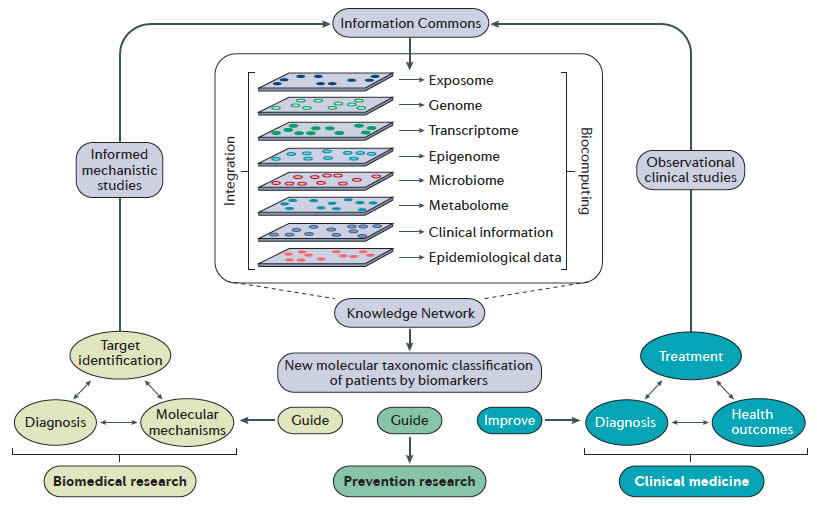
The Global Genes Project estimates some 300 million people worldwide are affected by a rare disease. The European Organization for Rare Diseases (EURORDIS) estimates that as many as 5,000 to 7,000 distinct rare diseases exist, and only about 400 rare diseases have therapies and about 80% have a genetic component according to Rare Genomics Institute.
We are experts in innovative tailored platforms for biomarker research and drug development for orphan diseases
PLATFORMS
- Functional screening including:
-
- genome-wide analysis
- transcriptome profiling
- miRNA identification
- targeted sequencing
- Pharmacogenomics to Identify genes that influence the sensitivity to drugs.
- Defines subpopulation of normal individuals with an elevated risk of developing orphan diseases
- Cross-platform analysis for biomarker discovery: Systems biology approaches to incorporate multiple data sets.
-
- We use multiple data sets from genomics, microarrays, mass spectrometry, protein sequences, and other biological knowledge in order to improve the reliability of biomarkers.
Orphan diseases
- Fragile X Syndrome
- Dravet Syndrome
- Huntington´s Disease
- Amyotrophic Lateral Sclerosis
- Gastrointestinal Stromal Tumors
- Merkel Cell Carcinoma
- Type 2 Diabetes Mellitus
- Multi-drug Resistant Tuberculosis
- Duchenne Mucular Dystrophy
- Cystic Fibrosis
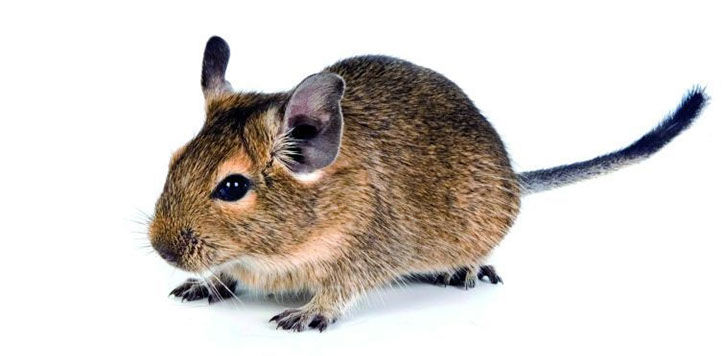
A small rodent with a body length of 25 cm and a weight of 170 to 300 grams.
Degus entered the research spotlight due to their unique relationship with sugar and diabetes, but are also studied for a wide variety of other reasons. Neuroscientists use degus for research into Alzheimer’s Disease (AD), they are the only mammals that naturally develop Alzheimer’s at 2.5-3 years of age. In elderly degus, neural markers have been discovered which are remarkably similar to those in humans with Alzheimer's, which is the first time this has been seen in a non-human mammal.
These are also animals with good eye-and-paw coordination and circadian rhythm: degus have the ability to show both diurnal and nocturnal rhythms if the environment permits, allowing a unique opportunity for study. Degus have also been found to spontaneously stack objects in order of decreasing size: it is the first time that this behaviour has been recorded in animals other than apes.
Natural AD-Like Neuropathology in Octodon degus: Impaired Burrowing and Neuroinflammation

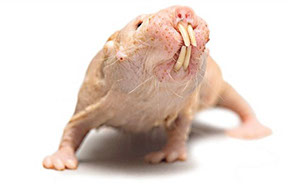
Hypersensitivity to contact inhibition provides a clue to cancer resistance of naked mole-rat. Seluanova et al. PNAS (2009) 106 (46):19357
Genome sequencing reveals insights into physiology and longevity of the naked mole rat. Kim et al Nature (2011) 479:223.
Amyloid beta and the longest-lived rodent: the naked mole-rat as a model for natural protection from Alzheimer's disease. Edrey et al. Neurobiol Aging. (2013) : S0197-4580.
Blunted behavioral and c Fos responses to acidic fumes in the African naked mole-rat. LaVinka and Park. PLoS One. (2012)7(9):e45060.
Adult naked mole-rat brain retains the NMDA receptor subunit GluN2D associatedwithhypoxiatoleranceinneonatalmammals.Petersonetal. Neurosci Lett. (2012) 506(2):342-5.
A stereotaxic atlas of the brain of the naked mole-rat (Heterocephalus glaber). Xiao et al. Neuroscience. (2006) 141(3):1415-35.
For more info contact us
Naked mole-rats:
Behavioural phenotyping and comparison with C57BL/6 mice
